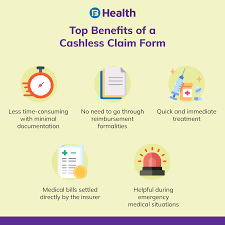
Cash Less
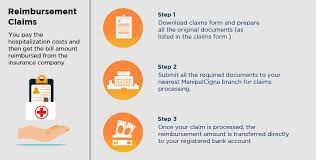
Reimbursement claim
Employees Group Health
About The Employees Group Health
Employee group health insurance is a type of health insurance coverage provided by an employer to a group of employees. It is a common benefit offered as part of an employee benefits package. Here are key features:
- Group Coverage: Instead of individual policies, group health insurance provides coverage for a group of employees and often extends to their dependents.
- Employer-Sponsored: Typically, the employer sponsors and partially subsidizes the cost of group health insurance, making it a valuable employee benefit.
- Comprehensive Coverage: Group health insurance typically includes a range of health benefits, such as hospitalization, outpatient services, prescription drugs, preventive care, and sometimes dental and vision coverage.
- Risk Pooling: Group health insurance operates on the principle of risk pooling. The idea is that by covering a larger group, the financial risk is spread out, which can help reduce costs for individual employees.
- Premium Sharing: In many cases, the employer and employees share the cost of the premiums. Employers may contribute a significant portion, if not the entirety, of the premium costs, making it more affordable for employees.
- Pre-existing Conditions: Group health insurance often provides coverage for pre-existing conditions, and employees may not be subjected to medical underwriting or exclusions based on their health status.
- Tax Advantages: Contributions made by employers to group health insurance plans are often tax-deductible, providing a financial incentive for employers to offer this benefit.
- Employee Retention and Recruitment: Group health insurance is a valuable tool for attracting and retaining talented employees. Many job seekers consider health benefits an essential factor in their employment decisions.
It's important for employees to carefully review the specifics of their group health insurance policy, including coverage details, co-pays, deductibles, and any limitations. Group health insurance aims to provide a cost-effective and comprehensive health coverage solution for employees within a specific organization.
Advantages of Employee Group Health Insurance:
- Cost Sharing: Both employers and employees typically share the cost of group health insurance premiums, making it more affordable for individuals compared to individual health insurance plans.
- Comprehensive Coverage: Group health insurance often provides comprehensive coverage, including hospitalization, outpatient services, prescription drugs, preventive care, and sometimes dental and vision benefits.
- Pre-existing Conditions: Group health insurance plans often cover pre-existing conditions, and employees may not face exclusions or higher premiums based on their health history.
- Tax Benefits: Employer contributions to group health insurance premiums are often tax-deductible, providing a financial incentive for businesses to offer this benefit.
- Employee Retention and Recruitment: Group health insurance is a valuable employee benefit that can contribute to attracting and retaining talented professionals, enhancing overall employee satisfaction.
- Risk Pooling: By covering a larger group of employees, the financial risk is spread out, helping to stabilize costs and potentially reduce premiums for individual members.
Disadvantages of Employee Group Health Insurance:
- Limited Customization: Group health insurance plans may have limited flexibility, and employees may not have the option to customize their coverage to suit individual needs.
- Employer Control: Employers typically choose the group health insurance plan, leaving employees with less control over the specific coverage options and providers.
- Dependency on Employment: Group health insurance is tied to employment, and employees may lose coverage if they leave the company. This can be a disadvantage during periods of unemployment or job transitions.
- Changing Plans: Employers may change or switch insurance providers, leading to changes in coverage, network providers, or other plan details, potentially causing disruptions for employees.
- Coverage Gaps: While group health insurance is comprehensive, there may still be coverage gaps or limitations, and employees need to carefully review the specifics of their plan.
- Limited Portability: Unlike individual health insurance, group health insurance is not as portable, and employees may lose coverage when leaving a job. This lack of portability can be a disadvantage for those in industries with frequent job changes.
Understanding the specific terms, coverage details, and potential limitations of a group health insurance plan is crucial for employees to make informed decisions about their healthcare coverage.
Covered In Insurance
Lorem ipsum dolor sit amet, consectetur cing elit. Suspe ndisse suscipit sagittis leo sit met um dolor sit amecond imentum esti
Who Will Covered You?


Frequently Asked Questions

Our friendly customer support team is your extended family. Speak your heart out. They listen with undivided attention to resolve your concerns. Give us a call, request a callback or drop us an email, we’re here to help.