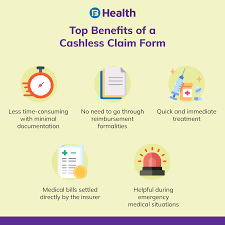
Cash Less

Reimbursement claim

Pet Insurance
About The Pet Insurance
Pet insurance provides coverage for veterinary expenses related to the health and well being of your pets. It is designed to help offset the costs of unexpected medical care, ensuring that you can provide necessary treatment for your pets without a significant financial burden. Here are the common coverage’s provided by pet insurance: Accident and Illness Coverage: This is the core coverage that includes medical expenses for accidents and illnesses. It typically covers diagnostic tests, surgeries, medications, hospitalization, and other treatments deemed necessary by a veterinarian. Hereditary and Congenital Conditions: Some policies cover hereditary and congenital conditions, which are health issues that are present from birth or have a genetic component. Wellness and Routine Care: Some pet insurance plans offer optional coverage for routine veterinary care, including vaccinations, flea and tick prevention, dental care, and annual check-ups. This coverage is often available as an add-on or as a separate wellness plan. Prescription Medications: Covers the cost of prescription medications prescribed by a veterinarian for covered conditions. Chronic Conditions: Coverage for chronic conditions that require ongoing or long-term treatment, such as diabetes or arthritis. Emergency Boarding: In case you're hospitalized and unable to care for your pet, some policies may cover the cost of temporary boarding. Alternative Therapies: Some plans cover alternative therapies like acupuncture or chiropractic care if recommended by a veterinarian. It's important to carefully review the terms and conditions of a pet insurance policy, including coverage limits, exclusions, waiting periods, and deductible amounts. Additionally, pre-existing conditions are typically not covered, so it's advisable to enroll in pet insurance while your pet is healthy. Pet insurance operates on a reimbursement basis. After paying for veterinary services, you submit a claim to the insurance company for reimbursement based on the policy's terms. The amount reimbursed is subject to deductibles and coverage limits specified in the policy. Advantages of Pet Insurance: Financial Protection: Pet insurance provides financial assistance to cover unexpected veterinary expenses, ensuring that you can provide necessary care for your pet without facing a significant financial burden. Access to Quality Care: With insurance coverage, pet owners may be more likely to seek prompt veterinary care, leading to better health outcomes for their pets. Coverage for Various Conditions: Pet insurance typically covers a range of conditions, including accidents, illnesses, and in some cases, routine wellness care, giving comprehensive protection. Peace of Mind: Knowing that you have insurance coverage for your pet can provide peace of mind, allowing you to make healthcare decisions based on the best interests of your pet rather than financial constraints. Options for Customization: Many insurance plans offer flexibility, allowing pet owners to customize coverage based on their pet's specific needs and their budget. Disadvantages of Pet Insurance: Cost: The premiums for pet insurance can add up over time, and there is no guarantee that you will use the coverage. Some pet owners may feel the cost outweighs the potential benefits. Pre-existing Conditions: Pet insurance typically does not cover pre-existing conditions. If your pet has a health issue before getting insurance, that specific condition may not be covered. Exclusions and Waiting Periods: Policies often have exclusions for certain conditions or waiting periods before coverage begins, which means there may be a delay in accessing benefits. Deductibles and Co-Payments: Pet insurance policies often include deductibles and co-payments, meaning you are responsible for a portion of the costs even after reaching the deductible. Claim Process: The process of filing a claim and waiting for reimbursement can be cumbersome. Some pet owners may find the administrative aspect of pet insurance less convenient. Before opting for pet insurance, carefully read and understand the terms and conditions of the policy. Consider factors such as your pet's age, breed, and overall health, as well as your budget and willingness to manage potential out-of-pocket costs. It's also advisable to compare different insurance providers to find the plan that best suits your needs. Requirements to get pet insurance: The specific requirements to get pet insurance can vary among insurance providers, but there are some common elements that are typically considered when applying for pet insurance. Here are general requirements: Pet's Age: Most pet insurance providers have age restrictions for enrollment. While some companies may insure pets as young as a few weeks old, there may be an upper age limit for new enrollments. Breed and Species: Some insurance providers have breed-specific exclusions or limitations. Additionally, policies may be available for dogs and cats, but coverage for other types of pets (e.g., birds, reptiles) might be more limited. Health Status: Pet insurance often requires a health evaluation of your pet. Some providers may ask for recent veterinary records or may require a veterinary exam to ensure your pet is in good health before coverage begins. Pre-existing Conditions: Most pet insurance policies do not cover pre-existing conditions. A pre-existing condition is any illness or injury that your pet had before the insurance policy started or during waiting periods. Vaccinations: Some providers may require that your pet is up-to-date on vaccinations as a condition for coverage. Micro chipping: Micro chipping your pet may be recommended or required by some insurance companies as it helps with identification and proof of ownership. Spaying/Neutering: Some insurers may encourage or require that your pet is spayed or neutered. Geographic Location: The availability and terms of pet insurance can vary based on your location. Some providers may have restrictions or different offerings depending on your region. Waiting Periods: There are often waiting periods after enrollment during which certain conditions or treatments are not covered. This helps prevent insurance fraud and ensures that pet owners don't enroll only when their pet needs immediate veterinary attention. It's important to thoroughly review the terms and conditions of any pet insurance policy before enrolling. Consider factors such as coverage limits, deductibles, co-payments, and any specific exclusion. Additionally, be honest and accurate when providing information about your pet's health history during the application process to avoid potential issues with claims in the future.Covered In Insurance
Lorem ipsum dolor sit amet, consectetur cing elit. Suspe ndisse suscipit sagittis leo sit met um dolor sit amecond imentum esti
Who Will Covered You?


Frequently Asked Questions

Our friendly customer support team is your extended family. Speak your heart out. They listen with undivided attention to resolve your concerns. Give us a call, request a callback or drop us an email, we’re here to help.