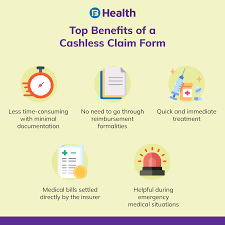
Cash Less
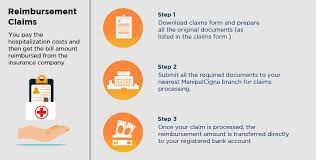
Reimbursement claim
Employees Group Health
About The Employees Group Accidental
Group accidental insurance is a type of insurance policy that provides coverage for accidental injuries or death to a group of individuals. This insurance is typically offered by employers, associations, or organizations to provide financial protection to their members or employees in the event of accidental injury or death.
Here are key features of group accidental insurance:
Group Coverage: It covers a defined group of individuals, such as employees of a company, members of an association, or participants in a specific program.
Accidental Injuries: The insurance primarily provides coverage for injuries resulting from accidents. These accidents may include slips, falls, car accidents, and other unforeseen events.
Death Benefits: In the unfortunate event of accidental death, the policy pays out a death benefit to the designated beneficiaries. This benefit is usually a lump sum payment.
Disability Benefits: Some group accidental insurance policies may include benefits for temporary or permanent disability resulting from accidental injuries. These benefits can help replace lost income during a period of disability.
24/7 Coverage: Accidents can happen at any time, so group accidental insurance typically provides around-the-clock coverage, whether individuals are at work, at home, or engaged in other activities.
No Medical Exams: Group accidental insurance often doesn't require individuals to undergo medical exams or provide detailed health information. This makes it more accessible compared to some other types of insurance.
Affordability: Group insurance policies are often more cost-effective than individual policies because the risk is spread across a larger pool of participants. This can make it an attractive employee or member benefit.
It's important for individuals covered by group accidental insurance to understand the terms and conditions of the policy, including coverage limits, exclusions, and any specific requirements for filing a claim. Group accidental insurance is designed to complement other insurance coverage individuals may have and provide an additional layer of protection in the event of accidental injuries or death.
Advantages of Group Accident Insurance:
Affordability: Group accident insurance is often more cost-effective than individual policies, as the premiums are shared among a larger group of participants. This makes it a cost-effective benefit for employers or organizations to offer to their members.
No Medical Exams: Typically, group accident insurance doesn't require individuals to undergo medical exams or provide detailed health information. This can make it more accessible compared to some other types of insurance.
Easy Enrollment: Group accident insurance is often offered as part of employee benefits or association memberships, simplifying the enrollment process for individuals.
Supplemental Coverage: It serves as supplemental coverage, providing an additional layer of financial protection in the event of accidental injuries or death. This can be especially valuable for covering out-of-pocket expenses.
24/7 Coverage: Accidents can happen at any time, and group accident insurance typically provides continuous coverage, whether individuals are at work, at home, or engaged in other activities.
Death and Disability Benefits: Group accident insurance provides death benefits to beneficiaries in the event of accidental death. Additionally, it may offer disability benefits to help replace lost income during a period of disability.
Disadvantages of Group Accident Insurance:
Limited Coverage: Group accident insurance focuses specifically on accidental injuries or death. It may not provide coverage for illnesses or non-accident-related health issues, leaving some gaps in coverage.
Coverage Limits: Policies often have limits on the amount paid out for specific injuries or types of claims. This means that in certain cases, the coverage may not fully cover all expenses.
Exclusions: Group accident insurance may have exclusions for certain activities or types of accidents. Individuals should carefully review the policy to understand what is not covered.
No Control over Policy Terms: Individuals covered by group accident insurance have limited control over the terms and conditions of the policy, as it is often determined by the employer or organization offering the coverage.
Not Comprehensive Health Coverage: Group accident insurance is not a substitute for comprehensive health insurance. It is limited to accidental injuries, and individuals may need additional coverage for non-accident-related health issues.
Before relying solely on group accident insurance, individuals should consider their overall health insurance needs and potential coverage gaps. It's essential to understand the terms of the policy, including coverage limits and exclusions. Additionally, individuals may want to supplement this coverage with other insurance options for more comprehensive protection.
Requirements to get group accidental policy:
The requirements to get a group accidental policy can vary depending on the insurance provider and the specific terms of the policy. However, here are some common elements that are often considered when obtaining group accidental insurance:
Group Affiliation: To be eligible for group accidental insurance, individuals typically need to be part of a specific group. This could include employees of a company, members of an association, or participants in a particular program.
Employer or Organization Participation: In many cases, group accidental insurance is offered as an employee benefit or as part of an organization's membership package. The employer or organization needs to participate in the insurance program for individuals to access coverage.
Enrollment Period: There may be specific enrollment periods during which individuals can sign up for group accidental insurance. This is often tied to employment start dates or specific open enrollment periods for members of an organization.
Age Requirements: Insurance providers may have age restrictions for enrollment. Some policies may have minimum or maximum age limits for participants.
No Health Examination: Group accidental insurance often does not require individuals to undergo medical examinations or provide detailed health information. This makes it more accessible compared to some other types of insurance.
Active Participation: To be eligible, individuals may need to be actively participating members of the group offering the insurance. For employees, this could mean maintaining active employment.
Employment Status: For group accidental insurance offered through employers, the individual typically needs to be an active, full-time employee. Part-time employees or those on specific contracts may have varying eligibility.
Covered In Insurance
Lorem ipsum dolor sit amet, consectetur cing elit. Suspe ndisse suscipit sagittis leo sit met um dolor sit amecond imentum esti
Who Will Covered You?


Frequently Asked Questions

Our friendly customer support team is your extended family. Speak your heart out. They listen with undivided attention to resolve your concerns. Give us a call, request a callback or drop us an email, we’re here to help.