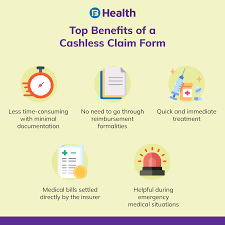
Cash Less
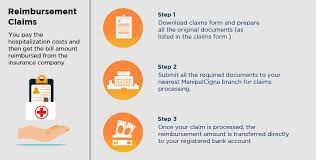
Reimbursement claim

Home Protect
About The Fire Insurance
Fire insurance is a type of property insurance that provides coverage specifically for damage caused by fire. It typically helps in covering the costs of repairing or replacing a property or its contents that have been damaged or destroyed by fire. This type of insurance may also extend to cover damages caused by smoke or water used to extinguish the fire. Fire insurance policies vary, so it's important to carefully review the terms and coverage limits.
What risks does fire insurance cover
Fire insurance typically covers risks related to damage or loss caused by fire. This can include:
Fire Damage: Coverage for damage to the insured property caused by fire.
Smoke Damage: Some policies may include coverage for damage caused by smoke, even if there was no actual fire.
Water Damage: Damage caused by water used to extinguish a fire may be covered as well.
Damage to Contents: Protection for the contents inside the insured property, such as furniture, personal belongings, etc.
Additional Living Expenses: In some cases, if the insured property becomes uninhabitable due to fire damage, the policy may cover additional living expenses incurred while repairs are being made.
It's crucial to review the specific terms and conditions of the insurance policy, as coverage can vary among different providers and policies.
Advantages of Fire Insurance:
Financial Protection: Fire insurance provides financial protection against the losses and damages caused by fire, helping the policyholder recover and rebuild.
Property Coverage: It covers the cost of repairing or replacing the insured property, including the structure and its contents damaged by fire.
Peace of Mind: Having fire insurance provides peace of mind, knowing that there is a financial safety net in case of fire-related incidents.
Business Continuity: For businesses, fire insurance helps in the continuity of operations by providing funds to recover from fire damage.
Comprehensive Coverage: Depending on the policy, it may offer coverage for additional risks associated with fire, such as smoke and water damage.
Disadvantages of Fire Insurance:
Cost: The premium for fire insurance can be a significant expense, and some may find it challenging to afford comprehensive coverage.
Policy Exclusions: Certain circumstances or types of fires may be excluded from coverage, so it's crucial to understand the policy's terms and conditions.
Deductibles: Policyholders often have to pay a deductible before the insurance coverage kicks in, which means there is an initial out-of-pocket expense.
Claim Process: The process of filing and settling an insurance claim can be complex and time-consuming.
Limited Coverage: While fire insurance covers fire-related damage, it may not cover other types of perils or disasters, necessitating additional insurance policies for comprehensive protection.
Understanding the terms of the policy and carefully assessing individual needs can help in making informed decisions about fire insurance.
Requirements to take a fire insurance:
The specific requirements to take out fire insurance can vary depending on the insurance provider and the type of property being insured. However, common requirements typically include:
Property Information: Details about the property to be insured, including its type, size, location, construction materials, and any safety features (fire alarms, sprinkler systems, etc.).
Property Valuation: An assessment of the property's value, which helps determine the coverage amount needed.
Risk Assessment: Information about potential risks or hazards that could increase the likelihood of a fire, such as the property's proximity to flammable materials.
Insurance Application: Completion of an insurance application form providing personal and property details.
Inspection: In some cases, the insurance company may conduct a physical inspection of the property to assess its condition and potential risks.
Premium Payment: Payment of the insurance premium, which is the cost of the insurance coverage. This can be a one-time payment or paid in installments.
Compliance with Safety Standards: Compliance with safety standards and regulations, such as having fire safety measures in place, may be a requirement for obtaining fire insurance.
No Prior Arson History: A clean history without any record of intentional fire-setting (arson) may be a requirement.
It's important to carefully read and understand the terms and conditions of the insurance policy and to provide accurate information during the application process to ensure proper coverage. Consulting with an insurance agent or representative can also help clarify specific requirements.
Covered In Insurance
Lorem ipsum dolor sit amet, consectetur cing elit. Suspe ndisse suscipit sagittis leo sit met um dolor sit amecond imentum esti
Who Will Covered You?


Frequently Asked Questions

Our friendly customer support team is your extended family. Speak your heart out. They listen with undivided attention to resolve your concerns. Give us a call, request a callback or drop us an email, we’re here to help.