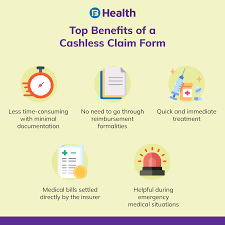
Cash Less
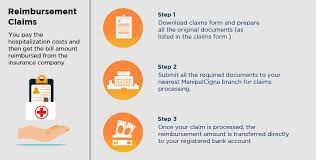
Reimbursement claim
About The Marine Insurance
I believe you meant "marine insurance." Marine insurance is a type of coverage that protects against losses or damages to ships, cargo, terminals, and other transport-related property. It provides financial protection in case of events like accidents, theft, or natural disasters during the transportation of goods by sea.
What risk does marine insurance cover?
Marine insurance typically covers a range of risks associated with the transportation of goods and vessels at sea. Common risks include:
Physical Damage to the Vessel: Coverage for damage or loss of the ship itself due to accidents, storms, collisions, or other perils.
Cargo Damage or Loss: Protection for the goods being transported against damage or loss caused by various perils such as sinking, fire, or theft.
Liability Coverage: Protection against legal liabilities arising from damage to third-party property, injuries, or death caused by the insured vessel.
General Average: In case of a major peril where the ship or cargo is intentionally sacrificed to save the whole, all parties involved proportionally share the losses. Marine insurance helps cover the insured's share.
Freight Risks: Coverage for the loss of freight revenue due to damage to the cargo, allowing the shipper to recover potential financial losses.
War and Strikes Risks: Some policies include coverage for damage or loss caused by war, strikes, riots, and civil commotions.
Piracy Coverage: Protection against losses resulting from acts of piracy, which can include ransom payments.
These are general categories, and the specific coverage can vary based on the terms and conditions of the insurance policy. It's essential for policyholders to understand the details of their marine insurance to ensure adequate protection for their specific needs.
Advantages of Marine Insurance:
Risk Mitigation: Marine insurance provides a crucial safety net by mitigating financial risks associated with the transportation of goods and vessels, offering protection against various perils.
Business Continuity: In the event of damage or loss, marine insurance helps businesses maintain continuity by covering repair or replacement costs, preventing significant financial setbacks.
Global Trade Facilitation: As international trade heavily relies on maritime transport, marine insurance encourages and facilitates global commerce by providing a secure means of managing risks associated with long-distance shipping.
Legal Compliance: Certain shipping contracts and international trade agreements may require marine insurance, ensuring compliance with legal and contractual obligations.
Customized Coverage: Policies can be tailored to meet specific needs, allowing businesses to choose coverage options that align with the nature of their shipments and vessels.
Disadvantages of Marine Insurance:
Cost: Premiums for marine insurance can be relatively high, particularly for high-risk routes or valuable cargo. This cost factor may be a challenge for businesses, especially smaller ones.
Complexity: The terms and conditions of marine insurance policies can be complex, and understanding the details is crucial to ensuring proper coverage. This complexity may lead to misunderstandings or disputes.
Exclusions and Limitations: Policies often have exclusions and limitations, specifying what risks are not covered. It's essential for policyholders to be aware of these exclusions to avoid surprises in the event of a claim.
Claim Processing Time: The process of filing and settling claims in marine insurance can sometimes be time-consuming. This delay could impact a business's ability to recover quickly from a loss.
Market Fluctuations: The marine insurance market is influenced by global economic conditions and can experience fluctuations in pricing and availability, potentially affecting the cost and accessibility of coverage.
In summary, while marine insurance is crucial for managing risks associated with maritime activities, businesses should carefully weigh the advantages and disadvantages, considering their specific needs and circumstances.
Requirements to get marine insurance:
The specific requirements for obtaining marine insurance can vary among insurers and depend on factors such as the type of coverage needed, the nature of the shipment, and the vessels involved. However, here are some common requirements:
Application Form: Submitting a completed application form is typically the first step. This form gathers essential information about the insured, the goods or vessels to be covered, and the nature of the shipments.
Details of the Shipment or Vessel: Providing detailed information about the shipment, including the type and value of the cargo, the route, the vessels involved, and any special handling requirements.
Risk Assessment: Insurers may conduct a risk assessment based on factors such as the type of cargo, shipping route, and the vessels involved. This helps determine the level of risk and the corresponding premium.
Insurance Declaration: Depending on the type of coverage, you may need to submit an insurance declaration specifying the value of the goods or vessels to be insured.
Compliance with Safety Standards: Ensuring that vessels meet safety standards and comply with relevant regulations is crucial. Insurers may request documentation or certification to verify compliance.
Security Measures: Providing information about the security measures in place to prevent theft, damage, or other risks during transportation.
Insurance Premium: Paying the insurance premium is a standard requirement. The premium amount is often based on factors such as the value of the goods, the type of coverage, and the assessed level of risk.
Terms and Conditions Acknowledgment: Understanding and acknowledging the terms and conditions of the insurance policy is essential. This includes awareness of any exclusions or limitations.
Legal and Contractual Compliance: Ensuring compliance with relevant laws and contractual obligations related to shipping and insurance.
Claims History: Some insurers may inquire about the applicant's claims history to assess risk. A good claims history may positively impact the premium.
It's advisable to work closely with an experienced insurance broker or agent who can guide you through the process, help you understand specific requirements, and assist in finding the most suitable marine insurance coverage for your needs.
Covered In Insurance
Lorem ipsum dolor sit amet, consectetur cing elit. Suspe ndisse suscipit sagittis leo sit met um dolor sit amecond imentum esti
Who Will Covered You?


Frequently Asked Questions

Our friendly customer support team is your extended family. Speak your heart out. They listen with undivided attention to resolve your concerns. Give us a call, request a callback or drop us an email, we’re here to help.