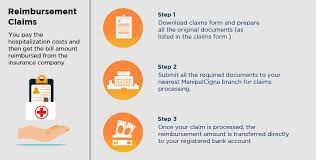
Reimbursement claim

Home Protect
About The Electrical & Electronic Insurance
Electrical and electronic insurance, often referred to as equipment breakdown insurance or machinery insurance, provides coverage for damage or loss to electrical and electronic equipment due to various causes, such as electrical failures, mechanical breakdowns, power surges, and other unforeseen events. This type of insurance is designed to protect businesses from the financial impact of repairing or replacing essential equipment used in their operations, such as computers, machinery, and electrical systems. It helps mitigate the risks associated with the breakdown of crucial electronic and electrical assets.
What risk does electrical and electronic insurance cover?
Electrical and electronic insurance typically covers a range of risks associated with the breakdown or damage of electrical and electronic equipment. These risks may include:
Electrical and Mechanical Breakdowns: Coverage for damage caused by electrical or mechanical failures within the insured equipment.
Power Surges: Protection against damage resulting from sudden increases in electrical voltage, often caused by lightning or power grid issues.
Short Circuits: Coverage for damage caused by unintended electrical connections that result in a circuit malfunction.
Human Error: Some policies may cover damage caused by mistakes made by operators or maintenance personnel.
Operator Error: Protection for damage caused by errors in programming or operation of electronic equipment.
Fire Damage: Coverage for damage to electrical and electronic equipment resulting from fire.
Natural Disasters: Some policies may include coverage for damage caused by natural disasters such as earthquakes or floods.
Explosion: Protection against damage resulting from explosions that impact the insured equipment.
External Causes: Coverage for damage caused by external factors, such as accidents or vandalism.
It's important for businesses to carefully review the terms and conditions of their electrical and electronic insurance policies to understand the specific risks covered and any exclusion that may apply.
Advantages of Electrical and Electronic Insurance:
Risk Mitigation: Provides financial protection against the costs of repairing or replacing damaged electronic and electrical equipment, reducing the impact of unexpected breakdowns.
Business Continuity: Helps ensure the continuity of operations by facilitating prompt repair or replacement of critical equipment, minimizing downtime.
Cost Savings: Can save businesses from significant out-of-pocket expenses associated with equipment breakdowns, helping with budget management.
Comprehensive Coverage: Typically covers a variety of risks, including electrical failures, mechanical breakdowns, power surges, and other unforeseen events.
Customization: Policies can often be tailored to meet the specific needs and risks faced by individual businesses and their unique electronic and electrical equipment.
Disadvantages of Electrical and Electronic Insurance:
Cost: The premiums for electrical and electronic insurance can be relatively high, especially for businesses with extensive and expensive equipment.
Exclusions and Limitations: Policies may have specific exclusions or limitations, and it's crucial for businesses to understand these to avoid unexpected gaps in coverage.
Maintenance Requirements: Some policies may require businesses to adhere to specific maintenance standards, and failure to meet these requirements could impact coverage.
Claim Approval Process: The claims process may involve documentation and investigation, potentially leading to delays in receiving compensation.
Selective Coverage: Not all risks may be covered, and businesses need to carefully evaluate policies to ensure that the most relevant risks for their operations are included.
Before purchasing electrical and electronic insurance, businesses should thoroughly assess their equipment, evaluate potential risks, and carefully review policy terms to make informed decisions based on their specific needs and circumstances.
Requirements to get electrical and electronic insurance:
The specific requirements for obtaining electrical and electronic insurance can vary depending on the insurance provider and the type of coverage needed. However, here are some common requirements:
Equipment Assessment: Insurance providers may require a detailed assessment of the electrical and electronic equipment to be insured. This could include information on the type, age, and condition of the equipment.
Risk Evaluation: Businesses may need to provide information about the potential risks their equipment faces, such as the operating environment, exposure to power surges, and any historical issues with breakdowns.
Maintenance Records: Some insurers may request maintenance records to ensure that the equipment is regularly serviced and well-maintained. Adhering to recommended maintenance practices can also influence premium rates.
Business Information: Insurers typically require details about the business, including its industry, size, and the role of the insured equipment in the overall operations.
Loss History: Businesses may need to disclose their loss history, including any previous claims related to electrical and electronic equipment. This information helps insurers assess the risk profile of the applicant.
Compliance with Safety Standards: Insurers may inquire about the safety measures in place for the equipment, ensuring that businesses adhere to relevant safety standards and regulations.
Security Measures: Information about security measures in place to protect the equipment from theft or vandalism may be required.
Operational Practices: Insurers may want to understand the operational practices of the business, including how the equipment is used and whether there are specific protocols in place to minimize risks.
It's important for businesses to communicate openly with potential insurers, providing accurate and complete information. This helps insurers assess the risk accurately and tailor coverage to meet the specific needs of the business. Working with an insurance broker or agent can also be beneficial in navigating the process and finding the most suitable coverage.
Covered In Insurance
Lorem ipsum dolor sit amet, consectetur cing elit. Suspe ndisse suscipit sagittis leo sit met um dolor sit amecond imentum esti
Who Will Covered You?


Frequently Asked Questions

Our friendly customer support team is your extended family. Speak your heart out. They listen with undivided attention to resolve your concerns. Give us a call, request a callback or drop us an email, we’re here to help.