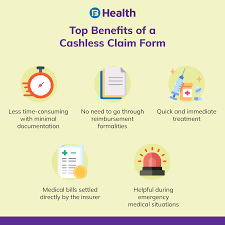
Cash Less
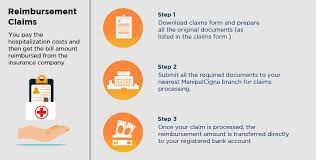
Reimbursement claim
About The Contractor plant and Machinery Insurance
Contractor Plant and Machinery Insurance provides coverage for the machinery and equipment used by contractors in construction projects. It typically includes protection against risks such as accidental damage, theft, and breakdown of the insured machinery. This insurance ensures that the contractor can recover the cost of repairs or replacement in case the insured machinery suffers any covered damage or loss during the policy period.
Advantages of Contractor Plant and Machinery Insurance:
Risk Mitigation: It provides financial protection against unforeseen events like accidental damage, theft, or breakdown, minimizing the financial impact on the contractor.
Business Continuity: In the event of machinery breakdown or damage, this insurance helps in the prompt repair or replacement of the equipment, allowing the contractor to resume operations quickly.
Cost Coverage: The policy covers the costs of repairing or replacing insured machinery, reducing the financial burden on the contractor.
Customization: Policies can be tailored to specific needs, allowing contractors to choose coverage based on the types of machinery and equipment they use.
Compliance: Some projects may require contractors to have this insurance as part of the contractual obligations, ensuring compliance with project specifications.
Disadvantages of Contractor Plant and Machinery Insurance:
Cost: Premiums for such insurance can be relatively high, and some contractors may find it burdensome, especially if they operate on tight budgets.
Exclusions: Certain events or types of damage may be excluded from coverage, and it's crucial for contractors to thoroughly understand policy exclusions to avoid surprises when making a claim.
Administrative Complexity: Managing and keeping track of insurance policies can add administrative complexity to a contractor's operations.
Depreciation Considerations: The insurance may not cover the full replacement value, accounting for depreciation in the machinery's value over time.
Over-Insurance: In some cases, contractors may end up with more coverage than necessary, leading to higher premiums without corresponding benefits.
It's important for contractors to carefully evaluate their specific needs and weigh the advantages and disadvantages before deciding on contractor plant and machinery insurance.
Requirements for contractor plant and machinery Insurance cover:
The specific requirements for Contractor Plant and Machinery Insurance can vary among insurance providers and policies, but generally, the following information and considerations are commonly needed:
Equipment Details: Provide a comprehensive list of the machinery and equipment to be insured, including their make, model, age, and current condition.
Value Assessment: Determine the value of the machinery and equipment accurately to establish the appropriate coverage amount.
Usage Information: Describe how the machinery will be used and the types of projects they will be involved in. This helps insurers assess the associated risks.
Security Measures: Detail the security measures in place to prevent theft or damage to the machinery. This may include information about storage facilities, surveillance, and access controls.
Maintenance Records: Insurers may request records of regular maintenance and inspections to ensure that the machinery is well-maintained, reducing the likelihood of breakdowns.
Contractual Obligations: Provide details about any contractual requirements related to insurance coverage imposed by clients or regulatory bodies.
Risk Assessment: Insurers may conduct a risk assessment of the contractor's operations and the environment in which the machinery is used.
Previous Claims History: Disclosure of any previous claims made by the contractor can impact the insurance terms and premiums.
Financial Information: Some insurers may request financial information about the contractor to assess their ability to meet insurance obligations.
Compliance with Safety Standards: Demonstrate compliance with safety standards and regulations relevant to the operation of the machinery.
Duration of Coverage: Specify the desired coverage period and any flexibility needed for project-specific requirements.
It's essential for contractors to work closely with insurance providers, providing accurate and detailed information, to ensure that the coverage meets their specific needs and that they comply with policy terms and conditions.
Covered In Insurance
Lorem ipsum dolor sit amet, consectetur cing elit. Suspe ndisse suscipit sagittis leo sit met um dolor sit amecond imentum esti
Who Will Covered You?


Frequently Asked Questions

Our friendly customer support team is your extended family. Speak your heart out. They listen with undivided attention to resolve your concerns. Give us a call, request a callback or drop us an email, we’re here to help.