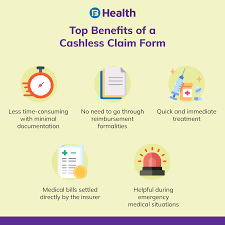
Cash Less
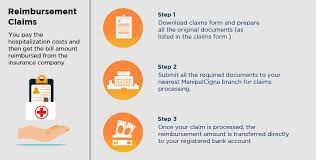
Reimbursement claim
About The Workmen Compensation Insurance
Workmen's compensation insurance, now commonly known as workers' compensation, is a type of insurance that provides benefits to employees who suffer work-related injuries or illnesses. It is designed to cover medical expenses, rehabilitation costs, and a portion of the injured worker's wages during the period they are unable to work due to the work-related condition. In exchange for these benefits, employees typically waive their right to sue their employer for negligence. This insurance helps protect both employees and employers in the event of workplace injuries or illnesses.
Advantages of Workmen's Compensation Insurance:
Protection for Employees: It ensures that employees receive financial support for medical expenses and lost wages resulting from work-related injuries or illnesses.
Legal Compliance: Employers are often legally required to have workers' compensation insurance, ensuring compliance with labor laws and regulations.
Reduced Litigation Risk: By providing a no-fault system, it helps reduce the likelihood of employees suing their employers for workplace injuries, creating a more streamlined resolution process.
Prompt Medical Care: Employees can receive timely medical care, promoting quicker recovery and potentially reducing the severity of injuries.
Financial Security for Employers: Employers are protected from potentially significant financial liabilities associated with workplace injuries, as the insurance covers the costs.
Disadvantages of Workmen's Compensation Insurance:
Premium Costs: Employers must pay premiums for workers' compensation insurance, and these costs can be a financial burden, especially for small businesses.
Potential Premium Increases: If a business has frequent or severe workplace injuries, it may face higher premium rates, impacting its overall operational costs.
Fraudulent Claims: There's a risk of fraudulent claims, where employees may exaggerate injuries or falsely claim that an injury occurred at work.
Administrative Complexity: Managing workers' compensation claims can be administratively complex and time-consuming for employers, especially for larger organizations.
Impact on Employer-Employee Relations: In some cases, employees may perceive filing a workers' compensation claim as a strain on their relationship with their employer, even though it is intended to provide necessary support.
Overall, while workers' compensation insurance is crucial for safeguarding both employees and employers, it comes with certain financial and administrative challenges that businesses need to navigate.
Requirements for workmen compensation insurance policy:
The specific requirements for workmen compensation insurance policies may vary depending on the jurisdiction and insurance provider. However, some common elements and considerations include:
Legal Compliance: Employers are often legally required to carry workers' compensation insurance. The specific laws and regulations vary by jurisdiction.
Business Information: Insurers typically require details about the business, including its size, industry, location, and the number of employees.
Employee Information: Insurers may need information about the employees, such as the total number, job roles, and payroll details, as premiums are often based on the number of employees and their job classifications.
Safety Measures: Insurers may inquire about the safety measures and protocols in place at the workplace. A commitment to a safe working environment can positively impact insurance premiums.
Claims History: Insurers may review the company's history of workers' compensation claims, as a high frequency or severity of claims can affect premiums.
Classification of Employees: Jobs are often classified based on risk level. Insurers may need information about the types of jobs employees perform to determine appropriate premium rates.
Payroll Records: Premiums are often calculated based on payroll. Accurate payroll records are essential for determining the correct coverage amount.
Health and Safety Policies: Employers may be required to demonstrate adherence to health and safety policies and procedures. This can include training programs and safety protocols.
Experience Modification Factor: This factor is a numerical representation of a company's claims history and safety record. It can influence the premium rates.
Proof of Coverage: Employers may need to provide proof of workers' compensation coverage to regulatory authorities, clients, or other parties as required.
To obtain a workers' compensation insurance policy, businesses typically contact insurance providers, provide the necessary information, and work with the insurer to customize coverage based on their specific needs and circumstances. It's essential to consult with insurance professionals or brokers to ensure compliance with local regulations and obtain the most suitable coverage for the business.
Covered In Insurance
Lorem ipsum dolor sit amet, consectetur cing elit. Suspe ndisse suscipit sagittis leo sit met um dolor sit amecond imentum esti
Who Will Covered You?


Frequently Asked Questions

Our friendly customer support team is your extended family. Speak your heart out. They listen with undivided attention to resolve your concerns. Give us a call, request a callback or drop us an email, we’re here to help.