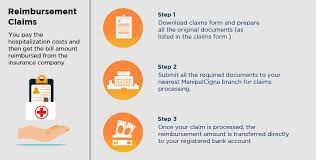
Reimbursement claim
About The Professional indemnity for companies
Professional indemnity insurance provides coverage for businesses and professionals against legal costs and claims for damages arising from their professional services. It helps protect against financial loss resulting from errors, omissions, negligence, or malpractice in providing professional advice or services. This type of insurance is particularly relevant for professions such as consultants, accountants, architects, and other service-oriented businesses where mistakes or oversights could lead to legal action. It can cover legal defense costs as well as any settlements or judgments that may be awarded.
Advantages of Professional Indemnity Insurance:
Financial Protection: It provides financial protection by covering legal costs and potential damages, preventing a significant financial burden on the company.
Legal Defense: The insurance covers legal defense costs, including hiring lawyers and related expenses, which can be substantial in the event of a lawsuit.
Client Confidence: Having professional indemnity insurance can enhance client confidence, assuring them that the company is prepared to handle any unforeseen issues and take responsibility for mistakes.
Industry Requirement: In some industries, having professional indemnity insurance is a requirement for obtaining contracts or licenses, making it essential for business operations.
Risk Mitigation: It helps mitigate the risks associated with professional services, allowing companies to focus on their core activities without constant fear of legal repercussions.
Disadvantages of Professional Indemnity Insurance:
Cost: Premiums for professional indemnity insurance can be relatively high, especially for businesses perceived to have a higher risk of professional liability.
Coverage Limits: Policies may have coverage limits, and certain claims or circumstances might not be covered, potentially leaving the company exposed to financial risks.
Policy Exclusions: Some policies have specific exclusions or limitations, and it's crucial for businesses to thoroughly understand these to avoid surprises when making a claim.
Complex Claims Process: The claims process can be complex, and there may be situations where the insurance company disputes a claim, leading to delays and potential disagreements
Potential Premium Increases: If a company makes a claim, it might lead to an increase in future premium costs, affecting the overall cost-effectiveness of the insurance.
In summary, while professional indemnity insurance offers crucial protection, businesses need to carefully weigh the advantages and disadvantages, considering their specific needs, industry regulations, and financial capabilities.
Requirements for professional indemnity for companies insurance cover:
The specific requirements for obtaining professional indemnity insurance for companies can vary based on the insurance provider, industry, and the nature of the professional services offered. However, here are some common requirements:
Business Information:
Details about the nature of the business.
Company structure and ownership information.
Business activities and services provided.
Financial Information:
Financial statements or evidence of financial stability.
Information about the company's revenue and projected income.
Risk Assessment:
A risk assessment of the company's operations and services.
Details about any past claims or legal actions.
Qualifications and Experience:
Information about the qualifications and experience of key personnel.
Any professional certifications or licenses held by employees.
Coverage Limits and Deductibles:
Determining the appropriate coverage limits and deductibles based on the company's size and risk profile.
Claims History:
Disclosure of any previous claims or legal actions against the company.
Information on how such claims were resolved.
Contract Review:
Some insurers may request a review of standard contracts used by the company to assess risk management practices.
Compliance with Industry Standards:
Compliance with industry standards and regulations relevant to the business.
Risk Management Practices:
Information about the company's risk management practices and procedures.
Disclosure of Material Changes:
A commitment to promptly disclose any material changes in the business that could impact the risk profile.
It's essential for businesses to work closely with insurance professionals or brokers to understand the specific requirements of the insurance provider and to tailor coverage to their unique needs. Providing accurate and comprehensive information during the application process is crucial to obtaining the right coverage and ensuring that claims are honored when needed.
Covered In Insurance
Lorem ipsum dolor sit amet, consectetur cing elit. Suspe ndisse suscipit sagittis leo sit met um dolor sit amecond imentum esti
Who Will Covered You?


Frequently Asked Questions

Our friendly customer support team is your extended family. Speak your heart out. They listen with undivided attention to resolve your concerns. Give us a call, request a callback or drop us an email, we’re here to help.