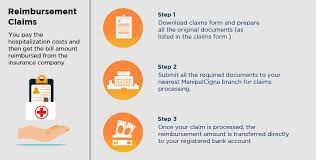
Reimbursement claim
About The Director & Officers Liability Insurance
Director and Officers Liability Insurance (D&O insurance) is a policy that provides financial protection for individuals serving as directors, officers, or leaders of a company or organization. This insurance helps cover legal expenses and financial losses in case these individuals are personally sued for alleged wrongful acts while managing the company.
The policy typically covers legal defense costs, settlements, and judgments. It safeguards personal assets of directors and officers, offering a layer of protection against claims related to decisions they make in the course of their leadership roles. D&O insurance is crucial in attracting and retaining talented individuals for leadership positions, as it gives them confidence that they have protection in case of legal challenges.
Advantages of Director and Officers Liability Insurance:
Protection for Personal Assets: D&O insurance shields the personal assets of directors and officers, helping to prevent financial ruin in case of legal actions.
Attracts Talent: Knowing they have liability protection can make it easier to attract experienced and skilled individuals to serve in leadership roles.
Risk Management: Encourages prudent decision-making by leaders, knowing they have a safety net in case of legal challenges.
Legal Expense Coverage: The policy covers legal defense costs, which can be substantial, ensuring individuals can mount a proper defense without draining personal finances.
Shareholder Confidence: Having D&O insurance can enhance shareholder confidence, as it shows that there's a plan in place to handle potential legal issues involving leadership.
Disadvantages of Director and Officers Liability Insurance:
Cost: D&O insurance can be expensive, especially for high-risk industries or companies with a history of legal issues.
Exclusions and Limitations: Policies often have exclusions and limitations, and it's crucial for leaders to understand what is and isn't covered.
Perceived Accountability: Some argue that having D&O insurance might make directors and officers less cautious in decision-making, as they feel protected from personal liability.
Claim Denials: Insurers may deny claims under certain circumstances, leading to disputes and legal challenges.
Potential Impact on Premiums: Making a claim could lead to increased premiums, and in extreme cases, the possibility of the insurance company not renewing the policy.
In summary, while D&O insurance offers crucial protection, it's essential for leaders to weigh the costs, understand the policy terms, and be mindful of potential impacts on decision-making and future premiums.
Requirements for Director and officers liability insurance policy:
The specific requirements for a Director and Officers Liability Insurance policy can vary based on the insurance provider and the company's circumstances. However, here are some common elements and considerations:
Application Process:
Companies typically need to fill out an application providing detailed information about their operations, financial status, and management structure.
Information about the company's history, legal issues, and risk management practices may be required.
Financial Stability:
Insurers may assess the financial stability of the company to determine the level of risk they are taking on.
Risk Management Practices:
Insurers may inquire about the company's risk management practices and procedures for handling potential legal issues.
Company Size and Industry:
The size of the company and the industry it operates in can influence the coverage requirements and premiums.
Board Structure and Composition:
Details about the composition of the board of directors, including their experience and qualifications, may be considered.
Claims History:
Insurers may review the company's claims history and legal disputes to assess the level of risk.
Disclosure:
Full and accurate disclosure of relevant information is crucial. Failure to disclose material information could affect coverage.
Policy Limits and Deductibles:
Companies need to decide on appropriate policy limits and deductibles based on their perceived risks and budget.
Legal Compliance:
Demonstrating compliance with relevant laws and regulations is often a requirement.
Indemnification Agreements:
Some insurers may inquire about existing indemnification agreements in place to understand the company's approach to protecting its directors and officers.
Review of Corporate Documents:
Insurers may review corporate documents, such as bylaws, to understand the structure and functioning of the organization.
It's essential for companies to work closely with their insurance broker or agent to understand the specific requirements of insurers and to tailor the policy to meet their unique needs and circumstances. Each application is typically evaluated on a case-by-case basis.
Covered In Insurance
Lorem ipsum dolor sit amet, consectetur cing elit. Suspe ndisse suscipit sagittis leo sit met um dolor sit amecond imentum esti
Who Will Covered You?


Frequently Asked Questions

Our friendly customer support team is your extended family. Speak your heart out. They listen with undivided attention to resolve your concerns. Give us a call, request a callback or drop us an email, we’re here to help.